Photo: online search
My folks were always weight conscious, to the point of extreme dieting. Dad didn’t have a weight problem, but thought he did if his trousers felt a bit snug. Mom was ‘normal’, and not fat, but always on some kind of diet or going to some diet meeting. I ended up being most impacted by my mom’s food rules and bribes for me to lose weight starting when I was 6-7 years old and not at all fat.
Prior to the diet invasion into my life, I don’t remember a lot about food one way or the other. I know we had “kid cereal” when I was younger than 5 years old, because my dad liked it. Food really wasn’t an issue unless it was something I didn’t like (or threw up when I ate it- like cooked carrots, baked beans, and cold french fries). It was when the diet bribes started that my weight was constantly a part of my daily thinking. No child should be on diets that aren’t medically necessary or supervised. And offering a kid a dollar for every pound they lost (when gas was 36 cents a gallon) and a big bag of candy for every five pounds (how that made any sense, I’ll never know) isn’t OK. My mom wasn’t ‘bad’, but she was misguided by her own weight issues and wanting me to look like the beanpole kids at church. I’m built more like a brick. It would never work out. But as a kid, I wanted her to be happy.
As a family, we always had dinner together unless my folks were out of town, or at a work or church party of some sort. If my folks were entertaining guests for dinner, I got a TV dinner, which I loved ! I could pick whatever I wanted. But a ‘normal’ dinner for three would be one 15 oz can of ravioli, or sharing a box of Kraft mac & cheese (a hotdog would be cut up in it sometimes), or soup. But we did at least eat together.
My folks travelled over school breaks, and I’d stay with my grandparents (usually paternal since they were closer to our house). I was allowed to eat there most of the time, and would gain a few pounds. Being an active kid, it came off when I went back home. But my grandma always made sure she had some special things for me, and I was allowed to cook when I was in 2nd and 3rd grade, with pans she put in a certain place in the cabinet. They had “normal” food. Not fancy, but my Swedish grandma could cook and bake really good food. And it was much more nutritious than what was at home. A big treat was sardines on toast for breakfast. I loved it- and it wasn’t unhealthy.
In high school, I started doing diet competitions with classmates, and I made sure I always won. My mom had no issue with me having less than 600 calories per day (my usual would have been well under 1000). She’d buy me whatever foods the diet called for. My skating coach was never pleased when I was restricting, because I was a space cadet which could be risky with jumps and spins. More than once I fell and didn’t know why.
I don’t blame my parents for having an eating disorder. I think they did the best with their own hang-ups about food and weight. I was impacted by it, but I don’t believe it was malicious.
Tag: mental health
-

Food At My House While Growing Up
-

My First Hospitalization for Bulimarexia & Depression
Photo: mine
When I returned to the University of Illinois after the winter break, I limped through emotionally, and things quickly became critical. I was still freaked out about being on academic probation (not in my perfectionistic vocabulary), and very depressed. I thought I was falling everything. I wasn’t thin enough, I was evidently very stupid, and I didn’t see any way out that would end well. And the idea of ‘ending things’ was what finally broke me down. The therapist I’d seen the semester before finally heard me say something besides “I don’t know”. What she got was “I want to die.” and followed up with my plan that would have been lethal, and cause trauma to other students on my dorm floor.
She called the university fire department to take me to the university health center for ‘holding’ until a bed could be secured at a psychiatric hospital near Chicago. The health center was for fairly minor problems or routine surgeries like appendectomies, and I guess for students who were being sent elsewhere. I was at the university health center longer than anticipated because of a severe February blizzard that made traveling to get me not possible. I wouldn’t go with my parents, so a family friend and her daughter came to collect me as soon as the roads were passable. During those days, I didn’t eat and had my jeans and shoes highjacked to prevent any ideas of ‘escape’. At that point, I was too tired to put up much of a fuss, so I sat there while dorm friends came to say their goodbyes. It was horrible. The staff were all very pleasant, but those goodbyes were SO hard. I didn’t want to leave, but knew I couldn’t stay.
When I got to Forest Hospital in Des Plaines, IL, my worst scenario played out. I hadn’t figured on my parents needing to sign me in since I was on my dad’s insurance. I felt I’d failed them, and was so ashamed. We did the obligatory hugs through their absolute denial and disbelief, and I went onto the locked adult unit, scared shitless that I was entering “One Flew Over The Cuckoo’s s Nest” territory. Instead, I found some very 70s floral wallpaper, a TON of cigarette smoke (like clouds), and people with all kinds of diagnoses from depression to raging schizophrenia and hyper manic bipolar disorders. I was the youngest on the adult unit, and terrified. Fortunately, my roommate was in the ‘mundane’ depression category and not scary, so that helped. There was one patient there for the rest of her life after falling out of a 2nd story window some years before, and ending up with a severe brain injury. She was a ‘constant’, which in itself was very sad. She wasn’t that old.
The first thing my psychiatrist did was ban contact with my parents for a month, to figure out why I was so opposed to seeing them. He also started me on the first of many medications, when I just needed food. I’ve never been depressed or suicidal without being very malnourished, but that realization wouldn’t come for several years. So, I settled in to the hospital routine. My folks came to family group sessions with other families and patients, but never really understood the purpose. Dad’s comment was “the sandwiches were nice”. Great, Pops, that was the goal, said no-one ever.
The dietician was easy to deal with- too easy. I talked my way into an 800 calorie/day meal plan. The chef (yup- a chef) at that place was incredible, and being a private hospital before insurance companies decided to play doctor without licenses, the food budget was first class. Prime rib, duck (yuck), shrimp, salad bar, and desserts with honey (no refined sugar). For someone who was afraid to eat, it was a minefield. But, it was also good food, and for someone who grew up being restricted by my folks before I took over that behavior, it was great when I finally allowed myself to eat something.
I was not so well-behaved when I was being monitored for food intake. When I had to eat on the unit vs the dining room, I’d switch out the meal cards so that I got some huge salad for a patient on a weight loss plan, and gave him my double portions. That was figured out fairly quickly… the diet guy wasn’t complaining about my donations, but the staff were not amused. Then they started me on Sustacal (now called Boost), and I poured most of it into the potted plants. That didn’t smell so great after a few days. One day, I tried to go AWOL, and hurdled the gardener’s wheelbarrow, with the gardner still attached at the handles, and got about 50 yards away before passing out on the sidewalk. I was half carried, half dragged back to the adult unit, in a haze of iffy blood pressure. Early on, I spent a fair amount of time in the quiet room (dumb name when one of the patients was in there screaming at all hours), and even in leather restraints, which was a common practice back then. I had small enough hands to get out of the straps, so then they just medicated me with heavy duty meds before leaving me in there, and peeking in the little window every few minutes. It was definitely a different kind of education. My psychiatrist never discouraged the acting out, because he sensed that I was a bit too tightly wound for “normal”.I went without eating anything for 2 weeks, and ended up in severe ketosis that was bad enough that one of the nurses smelled me from just walking past me in the hall. That bought me a seat by the nurses’ station desk while they pumped me full of orange juice and toast. My mouth was so dry that the toast literally stuck to my mouth.
Bulimarexia was a term used back then for what would now be either anorexia, bulimic sub-type or EDNOS (atypical anorexia). Because of my laxative abuse, and the thinking at the time (early 80s), any purging was put into some kind of bulimic category. I didn’t binge like a lot of binges were described at that point, and if I hadn’t purged, the food I did consume would not likely have caused much weight fluctuation. But in my head, any unplanned ‘diet friendly’ foods were binges, so had to be ‘gotten rid of’. I didn’t vomit (tried, but I wasn’t any good at it), so laxatives were my purging preference. For some reason, I thought that was more ‘dignified’ than vomiting. Both are pretty disgusting. I also did a lot of running in place in my room, and when that was discovered, I spent about a week in the day room being supervised around the clock. I had to sleep out there in slightly dimmed lighting and the fog of 24-hour smokers. I ended up starting to smoke there.
The staff were kind to me, and my psychiatrist was also a decent sort. I can’t say much was resolved with the eating issues, but they kept me alive, and with food, the depression lifted. I was still on meds, but I think that the food did more good than the meds ever did. I was released after 3 months.
I planned to return to the camp I’d worked at the previous 2 summers, though only for half of the upcoming summer season to avoid too much pressure. My former camp supervisor had visited me while I was at the hospital, I’m guessing to be sure I wasn’t drooling in a corner somewhere, and he was satisfied that I was still the same person who was harmless, but had crumbled the year before when I became anorexic at the same camp. It was hard being there that summer since I wasn’t in the nature center, but because I was going to be there for only 1/2 of the summer, I was assigned to be a cabin counselor. I guess that was a compliment since they were turning me loose on actual kids and not the snakes and goofy ferret. It was still good to be doing something I loved, it got me away from home, and people didn’t treat me like defective goods for having been hospitalized.
But all was not well…. -

Anorexia and Campus Life
Photo- mine.
Being a freshman at a good state university was overwhelming, and made so much worse by my deteriorating physical and mental health.
I was also a fairly good student back in my high school, with many college prep and advanced placement classes that I was used to, so the classes weren’t too advanced when I got to college. I loved walking around campus, even though I was getting weaker and much sicker. But I was glad for the experience of dorm life.
I was taking 40 laxatives/day (10 for breakfast, lunch, dinner, and before bed). I knew every bathroom in any building I had to walk into. Diet soda was my main source of fluids. During the week, I didn’t eat more than an apple or 1/2 of a baked potato when I had to make an appearance at meals. I ran the 12 flights up to my dorm room after ‘dinner’ (I could get by not eating breakfast or lunch because of everyone’s different class schedules). I had PE at 8 a.m. several mornings a week, and it was a ‘self-study’ exercise plan, so I jogged to attendance, and then back to the dorm for a shower. At the end of the semester, I ran 2 1/4 miles in 12 minutes- and I’m not sure how I actually did it physically.
My roommate moved out because I was too quiet. I also didn’t sleep much, and would watch one star go across the sky outside of my window, while listening to mellow music on the radio.
I saw the therapist every week, and I’m not sure that poor woman ever heard me say more than “I don’t know” to every question, and I wasn’t trying to be a smart ass- I was truly baffled by what I was supposed to be telling her. I had to drop my class hours down to 12 (dad was not happy- he was paying for 4 years, not some marathon of classes for more than that) because I just couldn’t keep up. I ended up on academic probation because of being so weak, and struggling with cognitive function. But I couldn’t see the physical changes. I still felt too fat.
On weekends, I’d binge. It was typical to have a pint of ice cream, a bag of chips, chip dip, cheese, cookies, chocolate, ramen, and sometimes picking the cheese off of discarded pizza boxes in the trash room after everybody was in their room for the night (usually around 2 a.m.), to avoid getting caught. My diet soda was a lifeline, and I didn’t want anyone taking it, so I labeled it with “herpes” in the floor fridge that held 2 liter bottles. I could only fit 16 oz bottles in the dorm fridge. Nobody touched it. It wasn’t true about the herpes, but I always had my soda.
My mom arranged for the food service folks to make me a birthday cake big enough for the entire dorm floor (80 girls? Guys had the adjacent tower). The cake was HUGE. I was terrified. It also angered me, which was a really crappy response to my mom wanting to make sure I had a cake for my birthday.
My ability to concentrate on homework was shot. I got a D in history (hated history back then), and for the first time in my life, I was not doing well academically. I passed out regularly, and was carried down the stairs to the floor with the elevator (and stretcher) more than a few times. It always made me cringe to have one guy pick me up- I thought it would take at least 2-3 firemen to carry my perceived fat ass. But looking back at old photos I was too thin for my body type. I asked a dorm neighbor if the leotard and sweatpants I was going to wear to go skating made me look fat. Her answer ” I can count your ribs”.
I became very depressed by the effects of starvation, and spent a lot of time in weird places- the top of the stairs that led to the roof (nothing else was up there, so seemed like a good place to hide), or I didn’t leave my room for anything but classes- nothing social. I was sexually abused in the dorm lobby while others watched, by a guy who was determined to go out with me. His approach sucked (it wasn’t ‘major’ but made an impact). I had to meet with the resident director every week as well, so she could keep track of where I was on the roller coaster of chaos. By the break for Winter/Christmas, I was making plans to end my life. I’ve never had that kind of depression unless malnutrition and starvation were involved.
I lasted for that first semester (not sure how), with many trips to the health center, dietitians, therapist, MDs, etc… the second semester was a short one.
More on that next time. -

How I Got To This Point Part 2: The Summer of Anorexia
Photo- El Arroyo in Austin, TX online photo
The summer before I started at the University of Illinois, I was working my second summer at a church camp I’d gone to as a kid for 7 summers (week long sessions). I loved that camp, and still consider it to be one of the most important spiritual factors in my life. Being outside and with nature is one of the biggest ways I relate to God. People lived what they believed, and it was fun.
I worked in the nature center the year before, as well as that fateful summer. The snakes, turtles, lizards, ferret, and raccoons were my responsibility. I was very self-conscious about my weight (as usual), and decided to use the increased activity at camp, along with calorie counting to get rid of what the ‘numbers’ said were wrong. I also felt I’d be largely unsupervised, which was important. That was back when women were supposed to be 100 pounds for 5 feet tall, and 5 pounds for every inch over 5 feet. That put me at about 135, which is NOT a weight where I look or feel healthy. I do not have a petite bone structure. I was also a figure skater for years prior to then, and my thighs were rock hard muscles.
I started off that summer by bringing my scale, calorie books, ‘expanding’ tablets to increase the feeling of fullness, and absolutely no common sense. Getting rid of the weight was THE most important thing for me to accomplish before having to compare myself to a university full of students. I wasn’t fat. I did have weight to lose, but I went off the rails. The diagnostic criteria for anorexia nervosa was different then. It counted the % of weight from the starting weight as the weight ‘rule’. I didn’t know that when I started out, but found out later (another future post). I lost a total of 1/4 of me in about 2 months. Now, it would be atypical anorexia. Face it- starvation is starvation no matter the size of the person.
What I hadn’t expected was an 88-pound anorexic with bulimic tendencies to be assigned to the same set of cabins I was, and became my guide to self-destruction. We became friends very quickly, and she taught me about laxatives for purging, the importance of exercising like a maniac, and how to avoid eating and nosey (concerned) coworkers. I woke up the first morning that we had campers (there was a week for staff only to get the ‘ins and outs’ of camp life before the kids arrived on Sunday). I ran down to the barn and back (2 mile round trip), and had an apple for breakfast. I felt great. I also was drinking about 6 cans of Tab per day (precursor to Diet Coke).
I lost 17 pounds the first week, and one of the counselors who went on “adventure camping” weeks (biking, river rafting, etc) didn’t recognize me when she got back the following Saturday. When people from the church I attended back then came to drop off their kids for a week long camp session, my mom would send ‘care baskets’ with body wash, quarters for laundry, and with the weight loss, a pair of rainbow suspenders to keep my jeans up (rainbow suspenders were a ‘thing’ with no other meaning than Mork wore them on “Mork and Mindy”). I didn’t feel any different, but got a ‘high’ from seeing the numbers drop on the scale.
The head honchos at the camp (direct supervisor, camp nurse, and main boss over the campus) knew something was wrong fairly quickly. They threatened to keep my paycheck unless I ate, but legally couldn’t do that. Over the next 4 weeks I lost another 23 pounds, and the nurse from the year before was in the area, and the camp folks sent me off with her on nights off, to talk some sense into me. She tried hard. But I was already hooked.
My folks came up to visit me (first time they’d done that, so I’m not sure if they were notified of the weight loss), and actually talked to me more than when I’d been heavier. Coincidence? Maybe- but for weight obsessed parents, I found it disappointing that I was ‘worth more’ if I weighed less. That was a big reinforcement of the determination to drop weight. And aside from the suspenders, they didn’t mention my rapid weight loss.
Over that summer, I lost 45 pounds altogether, and just had a couple of weeks at home before heading to the University of Illinois in Urbana-Champaign. A third of my hair had fallen out, I was freezing all of the time, I’d turn blue, and other students on the dorm floor knew something wasn’t right. When they caught me after I’d gone to the water fountain to fill my water mug, I was in a light winter coat, jeans, and 6 pairs of socks in very humid central Illinois, in late August. My feet felt cold through the socks. They called the resident advisor (more senior student for one dorm floor, for those not in the US), who called the resident director (over the whole girls side of the dorm), and they shipped me off by ambulance for a night in the university health center hospital. I had to talk to a psychiatrist in the morning. I thought they were nuts. I wasn’t thin enough yet. But, the psychiatrist disagreed, and the diagnosis of anorexia nervosa was given. In order to stay in school, and not have to tell my parents I was in trouble, I agreed to the therapist. I saw her for the entire semester, and early part of the next one.
More on the University of Illinois “routine” with how anorexia impacted me in another post. -

How I Got To This Point Part 1: Childhood Diets
Photo: mine; me, age 5 1/2 (summer before diet bribes started)
I’ve been a problem eater since birth. I was put up for adoption, and before I could be placed in my parents’ home, I spent 9 days in the hospital in 2 cities because I didn’t like the hospital formula. They got that sorted out, and my folks picked me up when I was 10 days old in the 3rd city I’d been in by that age. My folks were not horrible people. They were fallible humans, like most of us, and for the most part, they did the best they could. I found my biological family decades ago, and have a great relationship with my biological mother, as well as extended family. My birth mom is probably my best friend. When I found her, I found the rest of me.
I didn’t have weight issues as a kid. Photos show a very normal weight child, who was active and healthy. Then, my mom decided to start bribing me (with cash and candy, which was stupid) to lose weight. I’m not sure where she wanted it gone from, but she never let up. A typical packed lunch was one slice of bread, a boiled egg, maybe fruit, and milk from school (I hated milk from a very young age as well, so got the gnarly orange drink instead). I had a key to the house when I was 6, and got myself home from 2nd grade to get lunch at home, often soup or a sandwich, and then locked up the house and walked 6 blocks back to school.
My mom and dad were always on diets or restricting food for the whole family. It was typical for 3 of us to share one 15 oz can of mini ravioli for dinner when I was in high school. If they had something I didn’t like, I either ate it, or went without. When we went to McDonald’s for report card day or when we travelled, I was expected to get the smallest/ cheapest things on the menu… the prices when the McD’s reward started, for the entire regular small hamburger, small fries, and small Coke, was 69 cents.
I was a figure skater as a very young kid (4-5 years old), and took it up again in 7th grade when a new rink opened up closer to our house. I LOVED skating. I felt free at the rink, and my coach was very kind to me. My mom would weigh me before lessons, and if she didn’t like my weight, she refused to pay for the lesson. I’d literally run around the neighborhood to sweat off some weight because I was desperate to get out of the house, to a place where I felt like I was enough just being me. My coach knew I was on weird diets, and never supported them. I found out years after I stopped skating, and had moved away from home, that I had been scouted as an ice dance partner. I knew random coaches approached me during public sessions and asked me to do various footwork sequences, and I did them without knowing they were Senior level test patterns. I just thought it was fun.
The diet mentality never stopped. My mom was never as interested in what I was doing as when I was on a diet. She’d buy whatever food the diet called for, no questions asked. And, I’d lose weight until the diet was over, then gain it back. Diets don’t work. They screw up metabolic rates by putting the body into a ‘famine’ mode, so it hangs on to whatever it gets. The summer before going off to the University of Illinois, I developed full-blown anorexia nervosa (more on that in another post).
I did diet competitions with some very thin twins I’d known since infancy at the church nursery. I always won because I had more to lose. When figuring out my average ‘non-dieting’ calories growing up, it came to about 700-900 per day. I was supposed to grow and be healthy on what I was given to eat, and that wasn’t enough, but I didn’t know any different. I knew my friends’ families didn’t eat like we did, but I also knew better than to complain. That wasn’t allowed. I was instructed always to say I was fine, no matter what.
I started babysitting regularly at age 11 (I was a responsible kid who knew how to handle newborns), and used that money to take my bike to the store to get fruit roll-ups (before they came in boxes, but were wrapped in cellophane), crackers, or anything to help fill me up when I got hungry. Snacks were not allowed, so if i made something at home it had to be from ingredients nobody would miss- like flour and water ‘crusts’ with ketchup with oregano, and microwave it. Gross, but got the job done. Food was something to be ashamed of wanting, or even needing.
I’ve been learning what are normal amounts for the first time in my life in my early 60s. It’s been physically miserable, and my dislike for food has grown because of the discomfort. I haven’t been asked to eat a lot- it’s all a ‘threat’. I was raised to have an eating disorder. It wasn’t the intent, but it was kind of a normal reaction to an abnormal frame of reference. There are things I like, but wanting them is “bad”. I know logically that food is just food, but because of zippo self-worth, I don’t think I deserve to enjoy what I eat… it’s simply a means to an end, and not very enticing because of that. I want that to change. -

Chronic Medical Complications From Restrictive Eating Disorders
Photo: mine
Decades of eating disorders have wreaked havoc on my body. It’s also impacted other areas, but for this post, I’ll be focusing on the medical issues. For this post, I’m just going to focus on what I’ve experienced. I will do another post on general complications.
IF you find these familiar, please get seen by a doctor who understands eating disorders, and don’t adjust what you do based on what is right for me. We’re all different.
Complications of eating disorders (restrictive in my situation) are not dependent on the weight of the person. That surprised me. But when I started looking at what my body had been through, and the stuff that is now chronic because of restricting, whether directly or indirectly, I was more than surprised. I have equated being overweight with being low risk for malnutrition from restrictive eating. That is not the case. I’ve either been restricted, or done the restricting, since I was 6-7 years old. My body and brain don’t remember “normal”. I’m in my early 60s. That’s a lot of time for damage to build. This doesn’t include the medical issues from starvation, though the dysautonomia touches on some of that… the difference with this post is that it’s been constant since 1996.
The chronic disorders I’ve developed include:
– Dysautonomia. This has disabled me to the point of not being able to work for the last 21 years. Being a RN was my main identity. Having that taken away has been very difficult. I can’t regulate heart rate, blood pressure, or temperature normally, which leaves me pretty much housebound. I don’t tolerate temperatures over 65 degrees, even when I’m cold. My body goes into vasodilation, and with dilated blood vessels, blood heads to my feet, and leaves my brain…. so I pass out. My body temperature is so unstable that I have to keep my head shaved to minimize heat retention. Hair is like having a dead animal on my head. My lowest recorded BP was 44/16, and my heart rate has dropped into the 30s for a couple of days (got me 5 days on a cardiac monitored unit). All of this had been known for many years, and NO doctor ever asked about eating disorders. Eating warm food, showers that are a bit too warm, being outside when it’s over 65 degrees Fahrenheit, and pain are also triggers.
– Diabetes. After an outpatient eating disorder program in Austin, TX in 1986, I was told ‘no diet products’, including soda. I didn’t drink much water back then, and started drinking a lot of juices and regular sodas, though my food intake was still restricted. I gained weight up to 300 pounds (I’m not close to that now). It was horrible. That led to diabetes, which focused on food/diet/weight, and triggered another relapse in 1995 when I was diagnosed with Type 2 diabetes, and had to focus on food amounts and types.
– Chronic Kidney Disease. Until my current nephrologist (a university med school professor) reviewed my history with me, other doctors assumed this was because of being diabetic, though my A1C levels have been good since 1995 when I got my blood sugars sorted out with diet alone (and a relapse into restriction). The real reason (based on never having had protein in my urine) is because of hypo-perfusion, which makes sense. With significant, ongoing restriction, blood pressure, heart rate, and blood volume decrease, making less blood available to nourish the kidneys. So, they stop working normally. This nephrologist also told me to be sure I got ENOUGH sodium to keep fluid up some (balancing act with kidney disease) to support blood pressure. I have to put electrolytes in the tube bag or what I drink. This has also caused elevated parathyroid hormone levels, which cause fatigue, blood sugar issues, and can cause weight gain. If you have kidney disease, please don’t adjust your sodium or other dietary limitations based on my stuff.
– Dry Skin. I’m a walking desert. My scalp, arms, and legs are especially gnarly. My feet look like I’ve dipped them in chalk. I have limited joint and spine mobility so getting lotion on my feet is rough (no pun intended).
– Degenerative Joint and Disc Diseases. Because of my weight during the “Coca-Cola years”, my knees took a beating (I was still working, as well). So did my spine. I’ve been in daily chronic pain since 1995, and while I had one knee replaced, I’m not eligible now because of a history of pulmonary emboli (blood clots in all three lobes of my right lung, and right pulmonary artery). My shoulders, hips, and other knee need replacing… but that won’t happen. It’s painful. A rheumatologist told me (with a degree of cold indifference) that I’d end up in so much pain I’d have to go to a nursing home at some point. Nope. Won’t do that if my brain functions enough to still argue. Just getting in and out of the car to go to an appointment requires a day to recover, and the day before the appointment to rest- so 3 days out of my week including the actual appointment day. I use medical cannabis to help with this, along with Rx medications, though I only take leftover pain meds when absolutely necessary so I don’t have to deal with another doctor just for pain. I have in the past, but I’m so tired of doctors, I could scream. This also messes with balance, so I have to be very calculated when I walk on unfamiliar or uneven surfaces, or get into the shower.
– Delayed stomach emptying. It got used to not having to do much, so now food just sits for hours. I’ve actually burped lunch from the day before the next morning. The last colonoscopy prep was hellacious. Nothing moved for about 7 hours. This has been difficult when trying to increase intake. The bloating is painful, and I often look like some sort of nearly-geriatric pregnant mutant.
– Swallowing issues. I’m not exactly sure when or how the swallowing problems started, but I’ve used an NG tube for fluids for over 3 years. I was off of it for about a month, but getting food in was very difficult. Before that, I’d sometimes have to pull food out of my throat, because I felt like I couldn’t breathe. I have GERD (reflux), a small hiatal hernia, ‘stuck’ swallowing at the back of my throat (need a lot of fluids), and a gastric outlet obstruction, which keeps food stuck in my esophagus until the ‘valve’ opens into my stomach. It’s pretty uncomfortable. I first started using NGs in the early 2000s for 2 reasons- it got fluids into me at home when my blood pressure dropped to the point of near fainting, and before I knew it had reflux and lost a lot of weight from not being able to eat. I get my own, and insert my own- which I do NOT recommend for someone who isn’t trained in how to insert and manage NGs.
– Muscle Atrophy. Because restriction was how things went in my house growing up (more on that in its own post), and until getting protein ‘goals’ when I started this latest round of recovery help, I had no idea how deficient in protein I’d been for most of my life. The tendons behind my knees (on the outer side of my lower thighs) had become very visible, even though the rest of me was well padded with fat. It was bad enough that I couldn’t walk through a building (still can’t) bigger than my apartment. I had to sell my childhood home because it was too far from the master suite to the kitchen. I have a wheelchair for distances, and get one at the front door of the hospital when I have appointments with my dietician, or if I have some annoying test or procedure done. My leg and arm muscles have improved, which is good- but it’s also a trigger since they’re larger now.
– Osteopenia. Softening of bones. This is a direct result of malnutrition and inadequate intake. Because of some sketchy calcium levels a few months ago, I can’t take calcium supplements, so with dairy being my primary source of protein (due to gout), I hope that’s enough.
– Sleep issues. The body is designed to keep us alive. The insomnia with restrictive eating is felt to be a response to inadequate nutrition, to ‘cue’ the mind into looking for food. Restricting overrides that, so dud sleep is the result.
– Trouble reading. During periods of time when i wasn’t actively restricting (still limiting intake based on my skewed view of ‘normal’), I would read 3-4 novels a week. I haven’t read for fun since chemo in 2010-2012 (acute promyelocytic leukemia), when I was restricting from not being hungry, and then since i’d gained weight, my oncologist badgered me to lose weight as fast as I could once chemo was over. He was completely apathetic about my history of anorexia. I was able to avoid a total relapse at that time, but with the trauma cancer and chemo cause to the body, I was still under-eating.
I think I’m missing something, but will edit if I think of it. -

OK. Time to Start DOING Something
Photo: mine
OK, so it’s time to start doing things to move forward. I won’t lie- I’m not even sure where to start, but I know that I have to come up with something that will work for me, and doesn’t seem forced (other than making sure I eat what I’m supposed to, but not be rigid). I have some guidelines from the dietician i’ve seen for many years that include the restrictions I have because of diabetes, gout, and chronic kidney disease (from hypo-perfusion- my blood pressure and heart rate during acute restriction didn’t ‘feed’ my kidneys). I have a number of other chronic medical conditions, but these are the ones I have to deal with in regards to food. It’s a pain in the butt, and does nothing to help me not be focused on ‘the numbers’. I’ve got ideas on what to work on, but I need to get some specific goals that aren’t overwhelming.
People talk about fear foods all of the time in eating disorder recovery videos, and my ‘thing’ is more about the fear of portion sizes. I’m willing to take a bite or two of a lot of things, but entire servings freak me out. At one point, during the relapse of 1995-1996, eating an egg was ‘bad’ because it was a ‘whole’ egg. IF I was asked if I’d eaten I’d think that I’d had enough if I tasted anything. One spoonful of something was ‘enough’. I know logically that isn’t right, and I’d never support someone else doing that. This all started when I was 6-7 years old, and my mom literally bribed me (with cash) to lose weight when I wasn’t remotely fat. I got the very clear message that eating wasn’t something to indulge in, and that eating more than one container of yogurt for a meal was gluttony. No crackers or fruit- just a cup of yogurt. It stuck. That was more than 5 decades ago. Yup… I’m bordering on ‘geezerhood’, and still dealing with a stupid restrictive eating disorder.
Ordering from delivery menus is a nightmare. It can take me 3-4 hours to decide on something, and by that time there’s a good chance that the restaurant will be closed. Then I fall back on protein bars or protein water via the NG tube I’ve had in for most of 3+ years in order to get enough fluid in for my kidneys to stay interested in functioning at all. I have a few places that aren’t too horrible, and the idea that someone else put the stuff together means I can’t screw it up, though it’s also terrifying not to know exactly what’s in restaurant food. If I can’t find the nutritional info, chances are, I’ll panic and move on. Individual frozen entrees are also helpful now… but it took about 2 years to be able to eat those.
I think that instead of fear foods, I need to look at fear ‘situations’. Like if I order something without looking at the nutritional content (except for carbs to know insulin dose, grams of protein so I don’t go over my limit, or type of protein so gout doesn’t flare up). To be able to order something just because I like it has become completely foreign. I am so into numbers fitting into the food log that I don’t bother with just wanting something. That needs to change. I can finagle the amounts to avoid any health issues. To order something because it is something I either want to try or used to eat now and then would be a big step. Even if it’s just adding it to my grocery list- it doesn’t have to be delivery food.
Something else I need to work on is not panicking when I feel physical hunger. I hadn’t felt it for a LONG time (I’m talking at least 12-15 years), and it’s coming back. Not amused… but I also know that my body is trying to work again, and it’s supposed to work out that if I feel hungry, I eat. Sounds simple to most folks. That is another nightmare situation. I’m terrified I’ll just keep eating, and I have legitimate weight to lose. I’m not a candidate for a reality show, but I’d feel better with less on me. My joints are a mess, and it’d help with pain if I dropped weight. But I have to do it in a way that doesn’t mess me up more.
There’s also mental hunger, which has been around for a long time, and I very rarely give in to it. But it’s a survival thing- the brain is focusing attention on what the body needs after periods of restriction (this latest more intense restrictive period has gone on for about 4 1/2 years- the longest yet). The preoccupation with food was also seen in the Minnesota Starvation Study after WWII, when Dr. Ancel Keyes studied the impact of restricting food in otherwise healthy conscientious objectors (who wanted to contribute something). They all became fixated on food. They didn’t have eating disorders… they had a deficit of calories and nutrition. So, I need to figure out how to deal with that in a way that doesn’t make me more freaked out.
I know where I need to change things. Now I just need to start doing something. I need to move forward. -
General Thoughts About Moving Forward After Ex-Therapist
There were never any consistent “lessons” with Ex-T (ex-therapist)- I knew her basic beliefs about eating disorders, but that’s it. She mentioned the importance of what I tell myself about myself-and that the brain hangs on to all of that, but that was about the extent of it. I no longer support many of her views and methods. While there are some valid points about the ‘confirmed negativity’ in the minds of people with many types of psychological disorders, I think there is room for other influencing factors as well. She did deal with trauma, but with me it was only discussions of what happened- nothing about what to do with it.
Some things Ex-T wrote in her book are thing I do still believe, but her “objectification” of criticism of what was going on with MY “therapy” turned into just ignoring it altogether. There was no discussion. I over-objectify a lot of things (even she said that I went too far with something that was just logical to me), but I will NOT objectify my right to emotional reactions, or how long it takes me to work through them. Only robots do that. Or sociopaths. People have emotions. They’re not good or bad- they just are.
What someone does with emotional responses is another matter. Example- when I was raped, it changed my life permanently, BUT I also knew it had nothing to do with me as a human being. What happened was because of him, not me. And, I didn’t transfer my feelings about men to ALL men because of the CHOICES and torture by one man. I was gutted that day, but I still had some great male friends and coworkers that never triggered me after that rape.
With Tabitha Farrar, there is a lot of focus on neural rewiring and HOW to do that (to be fair, Ex-T also believed strongly in this- but without the ‘how to’ part, at least with my 3 + years of going nowhere), . She has written one main book, and several smaller books on why it’s important to not give the brain any more ammunition to feed the eating disorder. What we all tell ourselves about ourself matters with mental health. Farrar also believes in the genetic component. Ex-T didn’t, at least when I mentioned it, she referred back to the term and beliefs SHE created. I do agree with her in that the feeling of worthlessness is a core feature of people with eating disorders (and other emotional issues). That’s what struck me most in that news program about her clinic back in the late 90s. I’d never heard someone who ‘got it’, and didn’t agree with the ‘control’ reason (control is shot fairy early on), fashion (most of us wear a lot of baggy stuff- not exactly runway material), or other superficial reasons.
I have a STRONG genetic ‘link’ in my biological paternal aunt who was (and I think still is) anorexic since the 1960s. She supposedly developed late-onset schizophrenia, but I think she likely has damage from decades of malnutrition that doctors simply don’t assess for, or know what to do with when it’s an adult they’re diagnosing. Adult primary care MDs don’t get educated about eating disorders or the impact of malnutrition (that’s why they do dietary consult orders, or just ignore the issue altogether). In photos I’ve seen of my biological aunt in her later life, she was emotionally connected to and interacting with those around her in a way that I haven’t seen in schizophrenics (I worked psych and nursing homes that had schizophrenic patients). She’s still very petite. Remember, only %6 of those with eating disorders are noticeably underweight.
At any rate, I wish I’d gone with Farrar’s books a lot sooner, and saved myself the psychological trauma of Ex-T. I have a lot of things to “un-do” from Ex-T’s orthorexic food ‘rules’ and cult-like manipulation and psychological control. I doubt I’m the only one of her patients to end up feeling like this when the real ‘wizard’ was finally seen after the curtain was pulled back, so to speak.
In looking at the food list she sent me (after a year of promises to do so), it’s clear that she was restricting my food- and yes, I want to lose weight to be healthier, but every other CURRENT eating disorder content creator believes in lifting all non-medical food rules to get to ‘normal’. Not more restriction. I shouldn’t feel guilty for having Special K because of one ingredient that is in it, that isn’t consumed daily, and not in anything else I eat. It’s a great source of protein, and my options for protein are limited by gout and kidney disease.
If I never have kefir again, I won’t be bothered. And it’s going to take a while to want yogurt or oatmeal again. Most things Ex-T suggested didn’t require teeth, and I think that’s because she worked with developmental stages (not a bad thing, unless it goes on too long and doesn’t involve fixing anything). A cracker was about as ‘toothy’ as it got.
My dietician wanted me on nutritional supplements years ago, even being overweight, which solidified that my weight didn’t equate to being nourished. I still have trouble justifying feeding what I see in the mirror. I didn’t want supplements, but at least I know that IF I decide to use them, the dietician (Masters’ degree) supports that. She also supports having something now and then just because I like it. I’m not used to that… from long before Ex-T.
With Ex-T, she wanted to control food- and initially, that was helpful since I was SO terrified. Just opening the fridge door would have me in tears (and she’d tell me about how she was cooking for ‘kids’- regardless of chronological age- at her house while I was white-knuckling it at home alone). More than 3 years later, I’m still very much about watching “the numbers”, especially macros, which I am stuck with to some degree with diabetes, gout, and kidney disease and their associated food limitations. But at some point, it felt like controlling what i ate was more about her having control over me– not helping me deal with seeing food as something beyond terrifying and very shameful. From a young age, food has always been associated with ‘worth’- and according to my mom, I shouldn’t even want to eat. She wanted a kid built like a toothpick… I am built more like a soda can. I’m trying to use that to help in my perception of why I have to eat. Different bodies = different needs. But we all deserve to fuel our lives… I’m just not good at that yet. -
How I Was Breadcrumbed During Eating Disorder Therapy
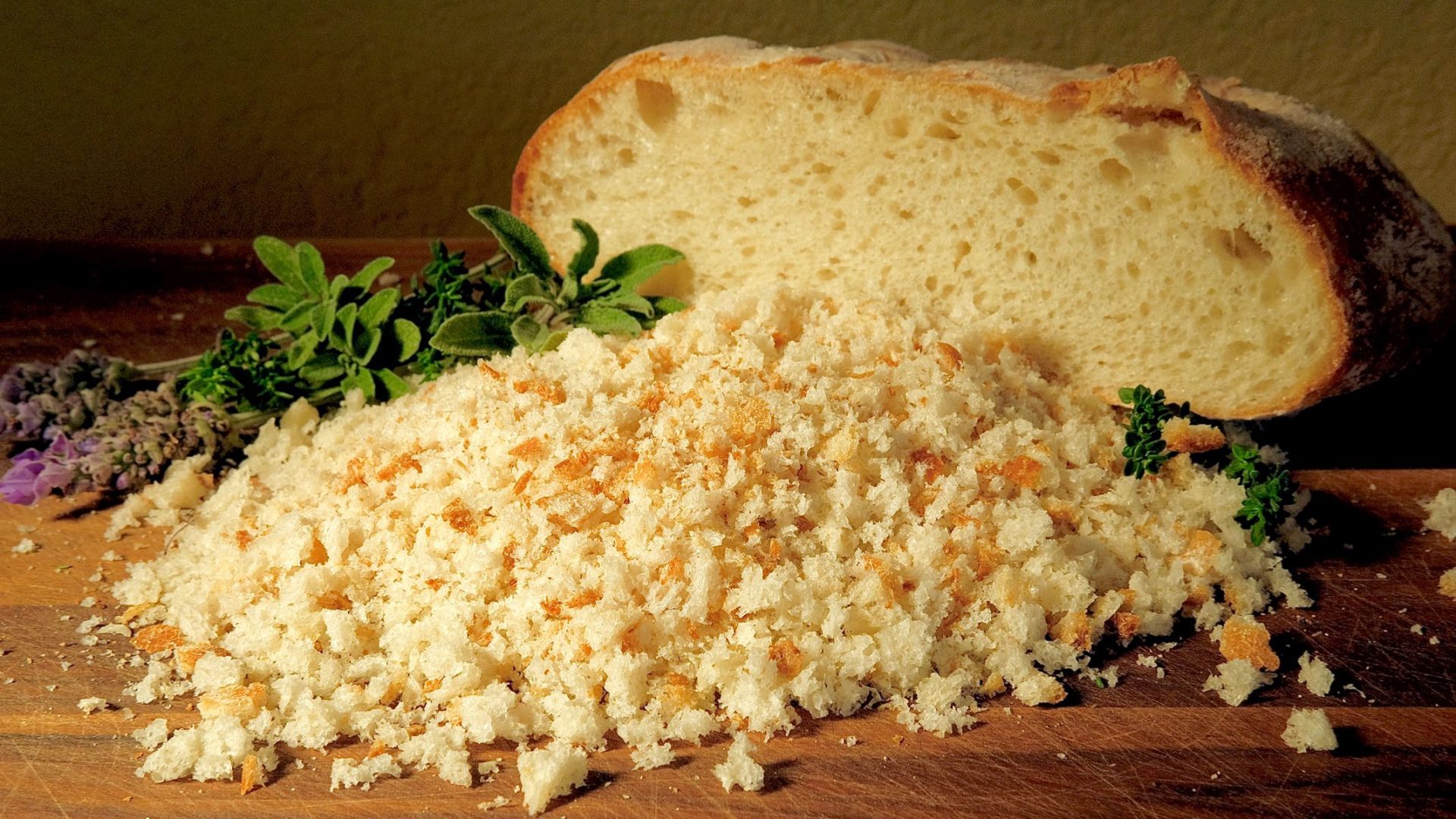
Photo from miascucina.com
I’m going to use the list in this article to go through specifics of how I was breadcrumbed…
https://www.enotalone.com/article/relationships/10-alarming-breadcrumbing-signs-you-shouldnt-ignore-now-r16587/
1. Inconsistent behavior.… at times, I heard from my ex-therapist regularly (especially early on, or when I’d tell her I was getting tired of doing therapy). Most of the time, it was a crapshoot. The contact was sort of a Russian roulette of mostly empty chambers. She’d be either hovering (especially at first, and some of that was appropriate because I wasn’t medically stable at all, for many months), or nowhere to be found.
2. Postponing dates– whether in having contact or her various projects (books being edited- though I was told that at least the first was to be published in late 2022, a website, seminars, etc) OR with phone calls. I never knew if/when I’d hear from her.
3. Playing the victim... either she was sick (like totaling many months over 3+ years), falling asleep, someone else said something about her that wasn’t to her liking, someone had an emergency and took up her time, when she had legal/court issues in another country it was all about everyone else (and I bought that for a while, but now ???), someone didn’t pay what they promised (I don’t know the other side to that story), ‘couldn’t just say no’ to an acutely ill patient that caused ME to lose therapy time, etc. I don’t even know how many are true at this point. I do know that the acutely ill newbie showed up within 2 weeks of her asking me to pay double for 6 months for more intensive therapy, and then she went MIA. When I asked about postponing my intensive therapy until X was more stable, she said she could do both when I finally heard from her. She did apologize for a couple of things (not about double charging me), but the last emails weren’t commented on or acknowledged at all when I finally cut loose. I wrote of facts mixed with how it was impacting me so negatively. A ‘little birdie’ said that in the 3 years they’d known my ex-therapist that she hasn’t been sick at all… so that adds to the lies that she’s known for.
4. Late-night communication... I had no clue this was part of it. She almost exclusively called me at about midnight her time, or 5-6 p.m. my time, depending on what timezone she was in. She also messaged me very late my time when asking for money. I was generally up since I don’t sleep well. She said she called late because it was more peaceful, and had fewer interruptions. It also meant that she literally fell asleep on the phone many times (soft snoring doesn’t lie), or would fall asleep before calling, so I heard nothing.
5. Temporary change… if I emailed her about how the inconsistencies in contact were making it more difficult, and had me wanting to stop therapy, she’d get on board with “I want to talk to you every day.” for a little while. But she also chose words carefully… ‘want’ isn’t a commitment. It was something to check off of her to-do list to pacify me for a while. Classic breadcrumbing.
6. Vague messaging... neural rewiring is the point of eating disorder therapy, and messaging is critical. Her end of this involved the choice of wording of messages and conversations. It left her with a lot of loopholes to benefit her. If she said she’d call the next day at x o’clock ‘her time’, I had to think about what time/day it was where she was when she said it- but usually it didn’t matter much, because I was more likely not to hear from her at all until the next breadcrumbing occurred.
7. Lack of substance... she seemed to be invested, but I doubt everything now. When the money ran out, so did the frequency of the breadcrumbing, until I told her not to contact me. (She blamed it on being sick- which happened a lot). Then she started messaging me more often. Too little, too late. I’m slow to get upset, but when I do, and get to the point of nothing to lose, I will message that I’m done- and it’s not some middle school empty threat. I’m done. And I don’t know if I can believe anything that was said over the past 3+ years.
8. Multiple channels… WhatsApp and FB Messenger were the favorites, with a few brief email replies (generally expressing what she felt, not addressing my concerns at all). She also used Skype for a while, but we never did any video calls. Ever. She did with others.
9. Low self-esteem… it’s nearly universal among eating disorder patients that self-worth and self-esteem are in the crapper. She wrote a book on the exact topic after her early years treating eating disorders, starting with 2 close family members. But when someone says one thing, and does another that amplifies the feelings of self-worthlessness, it’s incredibly painful. If the Queen of Esteem doesn’t have the time of day for me, I must really be a complete jerk not worthy of anyone’s time. But she’d tell me she was off to fly to see patients in other countries… while I waited for a stupid phone call. Not helpful. And maybe she hoped I’d magic up more money for more contact. I can’t grow the green stuff out of nothing.
10. In my situation, she didn’t cross any boundaries in this area, or with anyone I’ve heard or read about her, nor could I imagine her doing anything ‘off’ with this kind of thing.
What I’ve learned (thankfully) is this has nothing to do with me even though it’s had an impact on me temporarily. This is her shit. I do worry about those who think that she walks on water and buy into all of her love-bombing that really is never backed up with actions (that she defined but didn’t complete most of the time). I don’t know if she simply doesn’t know who she’s said what to, or if she is that busy – hard to tell. But what I do know is that it has been a damaging ‘relationship’, and reinforced many core issues of abandonment and self-worthlessness. I worry about the one still living with her and her family- and if that young woman knows that she’s likely being used for something as well.
I defended her many times when people online brought up the issues with one of the clinics she had. Now, I just want to warn people, but I have to be careful with names and locations, as much as I’d like to be more transparent. All I know is that I’m more likely to believe there is more truth to the stories online, or in a book from a couple of decades ago than I ever thought I would consider believing. I wanted to believe the good. I was scared and desperate for help- and that made me a perfect target.
For online help (free on YouTube), I recommend Tabitha Farrar and Elisa Oras (they also have very helpful books). There are others who have recovered as well as actual therapists that post helpful videos (Katie Morton is a licensed therapist who covers many topics along with eating disorders). But do your own searching in the recovery community online to find what works for you. I’m early in this ‘solo’ thing, so will update resources as I find them. -

Physical Impact of Toxic Therapy
The mind and body are so interconnected that it can be incredulous. I’ve had a lot of trauma in my life, and with that has come PTSD and the tendency to be in fight or flight most of the time. It’s a lot worse when something or someone triggers it. The impact of that constant state of being ready for battle takes a toll.
https://www.advancedcounselingbozeman.com/blog/when-connection-hurts-understanding-toxic-relationships-and-their-impact?fbclid=IwY2xjawNXzc1leHRuA2FlbQIxMQABHlFCt6fUsuINkrap1I0_qYsmmg0G6b8jTbceDb–Gw4J3tevtILvqHn8hfZO_aem_AF1fsNuvqXwLPcNaJKjp3g
Since ending things with my ex-therapist (finally had to block her from being able to message me with more ‘breadcrumbs’), my blood sugars have gotten better (I’m a type 2 on insulin, and after 12 years of controlling blood sugars with diet alone I’ve been on insulin for 18 years). I’ve known about the impact of cortisol on blood sugars since nursing school in the early 80s, but it’s been quite noticeable over the past 6 months when things with therapy took a nosedive over one last request from my ex-therapist for more money (nope). A simple bowl of cornflakes, with milk and non-caloric natural sweetener would send my blood sugar into the 300s for hours during the time I was ‘waking up’ to the manipulation and psychological control methods being used against me. I have managed my insulin for decades, and I know that something emotional is involved when my usual dosing no longer works (and I’m not sick, or on steroids for a gout or SI joint flare up). The only other time it’s been that nuts was during chemo for acute promyelocytic leukemia. Otherwise, I’ve had it pretty well controlled since I was diagnosed in 1995. My body reacted to the ex-therapist like it reacted to the ‘threat’ from chemo, which does a number on the entire body. Not good.
I’ve also had multiple health issues in the last 6 months, requiring biopsies and an ongoing uncertainty about a large colon polyp that they couldn’t remove- and my inability to do double the prep for a repeat colonoscopy to get the polyp for biopsying. I already failed the Cologard test, and an MRI showed some abnormalities, so I know what I’m facing. The GI folks won’t budge on the 2 gallons over 2 days, when I couldn’t get one full gallon prep done. The pain was horrific because I don’t have normal stomach emptying, so nothing moved for about 7 hours, and that was getting close to when I had to start the second half of the prep. When I started the second half, it just went back up the feeding bag tubing when I moved around. I’ve had an NG for most of 3+ years because of not being able to get enough liquids in just by drinking. The ‘slow drip’ works better for me. Even with all of that going on, my blood sugars only went bonkers if something was going on with the ex-therapist (or she was MIA again, after dropping a few more breadcrumbs).
For those who didn’t see the article explaining breadcrumbing in another of my posts, here is more info- it’s possible in any type of relationship.
https://www.enotalone.com/article/relationships/10-alarming-breadcrumbing-signs-you-shouldnt-ignore-now-r16587/
ANYWAY, there have been ongoing issues with stress and the toll of being breadcrumbed. The questioning of my own reality and feeling worthless are the worst, but I’m aware now that none of this really had anything to do with me. This is about someone who has to use manipulation to maintain control. The toll on my body has been hard.
I was told to start increasing calories by my dietician, and i went about it too quickly (just wanted to get it over with), and I gained a lot of weight. My ex-therapist didn’t ‘get it’, and I think she thought I wasn’t being honest about what I was eating, even though I’ve always been a restrictor, not a binge eater- though some eating more than planned is very, very common in people who attempt to suppress their weight with restriction, because the body wants to live and protect its own interests.
But I also wonder if cortisol was an issue, because this was around the time when the ex-therapist started videoing material for a project that has yet to see the light of day, and I was hearing less from her, and being breadcrumbed more. She’d have inconsistent contact just enough to seem like things were OK, but in reality, I was essentially put on a shelf, and taken down only when it was convenient for her. She didn’t see messages for days (but I was supposed to message her about x, y, z). It will be interesting to see how my weight reacts to no more cortisol surges from emotional manipulation and stress from her. As someone with a restrictive eating disorder for 55+ years, starting when I was a young kid and it was imposed on me, weight has always been a painful topic, no matter my weight. I just hope things regain some balance. -

So, Now What Am I Going To Do?
Image from general internet search.
I’ve been actively restricting for nearly 4 years- the longest stretch ever with ‘numbers’ ruling everything. That doesn’t include the food restriction in my house as a kid when I was bribed to lose weight when I wasn’t fat, at ages 6-7. My head is constantly giving me reasons not to eat. Or cut back on what I’m eating- or, God forbid, I get hungry ‘too early’ and eat something that wasn’t planned… gotta go adjust the day’s planned food to atone for the sin of eating while hungry. This has gone on for the entire time I was with my former therapist, and she knew it. She once told me she’d talk me through every bite if she had to…. yeah, right. Still waiting for those phone calls that never came so many times.
SO, I have to go another route. I can’t afford copays for anything ‘formal’ at this point. I do have my dietician, and she is very helpful, so that’s good. I’m thinking about going through Tabitha Farrar’s and Elisa Oras’ YouTube videos on recovery. Both have similar philosophies, and each has written at least one book to have as a reference. The basic premise is to do the opposite of what my head says, and listen to what my body needs. Not sure I’m clued in on that last part, but I do know that when I see what is in the mirror, it’s hard to justify feeding this body. I know logically that I have to (acute kidney failure twice in 4 years was because of cutting back too much on carbs). If I saw someone larger than myself, I wouldn’t withhold food from them.
Food has never been ‘safe’. There have been times when I haven’t paid as much attention to the numbers, but I rarely ate more than one meal spread throughout the day, not restricting types of food… just frequency and amounts. So, much of the past 3+ years has been spent just getting used to eating food multiple times a day, and in non-restrictive portions. And I’ve hated it. I don’t feel I deserve it. I want to be smaller, and after the “MIA” with the last therapist, I feel more and more like I need to ‘disappear’. Not helpful.
So, I’m still feeling that ‘stuck between the trapezes’ feeling I had with the former therapist, but now it’s because I’m not sure how to go about this other than to soak up as much USEFUL information as possible from those two YouTubers who have sound advice based on personal experience. I guess I need to make a list of fear foods. And eat. Without cutting something else out. -

Choosing An Online Eating Disorder Therapist
Photo- mine.
OK, first of all, if you can get professional “in person” help, please do. Things have come a long way in the 44 years I’ve been getting help on and off- from straight up psych hospitals, to inpatient treatment (medical and residential), and outpatient. Back then, if you ate, you were better (and cut loose). No matter what kind of treatment you get, be sure to get a doctor on board, and especially a dietician. If you go through a program, those folks and therapists are part of the program.
There’s a much better understanding about the impact of restricting food and compensating (exercise, purging, skipping food, etc), and more intuitive ways to manage food, though I do think a food plan is helpful at first and can help ease the guilt of eating if someone else just puts it in front of you. I never had that kind of experience outpatient, and with inpatient, stuff just showed up whether or not I wanted it, which was appropriate for that level of care. MANY of the symptoms of anorexia, or any ongoing restriction, are the direct result of starvation and malnutrition. Many family members are recruited to supervise meals in the beginning. That’s a good thing, though terrifying. It will help things move along better in the early months. With improved nutrition, the eating disorder thought patterns and obsession reduced, though I know of one man whose entire family went into the food service business after surviving a concentration camp. https://psychiatry.duke.edu/blog/starvation-experiment
Refeeding syndrome is serious, and needs medical supervision to monitor specific chemicals/electrolytes via blood tests. Refeeding done wrong can be fatal, so get some help with that. It happens in any size body- I’m in a larger body, and my dietitian and ex-therapist both told me the same thing… no exercise, only up 10 minutes 3 x a day (laundry, trash, mail) unless getting food or using the bathroom. I’m still not allowed to exercise, over 3 years in. Mostly, I slept between things I had to eat, because my body was absolutely exhausted. If your prospective (or chosen) therapist doesn’t understand refeeding syndrome, find one who does if possible.
Look for the therapists’ online reviews. Google them. Check out their social media… in other words, vet the hell out of them. If there is anything questionable move on. Don’t get lulled into some disaster because you’re desperate. Try to get with someone in a group of therapists (online mental health sites that match therapists could be of use). If you find someone and things don’t work out, CHANGE therapists. They work for you- you are employing them. And that means you can fire them. I don’t mean for asking you to eat 2 grams of butter or an extra ounce of banana. I mean violating safety and ethical issues, and/or abusive or manipulative behavior. When I was first on disability, I must have ‘test-driven’ (meet-and-greet type appointment in person) about 4-5 therapists before finding one that was compatible.
Ask about how long they’ve been treating eating disorders, and what their philosophy is about eating disorder treatment. Do they support “all in”, or are they regimented ? Do they understand that size doesn’t matter, and someone who is overweight can have just as serious health complications as someone who is underweight? Even someone who is obese can have bradycardia, hypotension (low blood pressure), feel cold, have lanugo, be unable to sleep, pass out, etc. You are “sick enough” if you life is deteriorating because of your eating disorder. If al you think about is food and how to avoid weight gain, you have a problem. Especially for adults, primary care docs don’t get any education about adults with eating disorders. I’ve gone years with overt symptoms but because I’m ‘fluffy’, I was told to lose weight. NO problem ! Until it caused acute renal failure twice in the last 4 years.
If you have a therapist that micromanages every food imaginable, without the person having any risk factors for eating that food, find someone else. You should never feel guilt for eating what will get you well, and that will be different for everyone. Yeah, in the beginning, you’ll probably have to put up with some routines that can be very scary initially- but that’s to help get you out of acute starvation so your body can begin to heal from the damage caused by restriction.
The fear around this WILL decrease.
I was horrified when my ex-therapist asked me to eat 3 ounce of cheese ! WHAT? That was 3 servings in my mind- and cheese… that wasn’t safe at all to my head. But how can one designated serving size be what is right for every body out there? A child needs less, an adolescent needs a more, an larger frame adult needs more than a smaller frame (unless in weight restoration), active folks need more than couch potatoes, and someone who is overweight by xx pounds will be unable to lose weight unless they eat enough… that’s right. of us who have been chronic dieters and anorexic/atypical anorexic, and gained weight because of jacking our metabolism all to hell, need to eat more in a LOT of individual cases before our bodies feel ‘safe’ that food isn’t going to be scarce again. The body is designed for survival and keeping things as balanced as possible.
Does the therapist have set hours? What about what to do in an emergency situation if the therapist isn’t available ? Does this therapist travel a lot? Do they have other projects besides being a therapist? (I’d stay clear of them). Can you pay per session? Is payment funneled through an online wire transfer service? OR can you pay with a credit card (some recourse if things don’t work out)? Will your agreed upon appointments be set for a specific day and time, or is it more casual or unpredictable? You have to decide what you think is important. In the early months, consistency will be very important.
If you find information that isn’t positive about a prospective therapist, find another. There will always be critics, but if the majority of reviews are not good or there’ve been legal issues, that is a good indicator that you need someone else. -

What To Look For In Therapy Going Wrong
I first had inklings of something not being OK nearly 3 years ago. Something wasn’t right, but I was the one who was seeking help for a messed up head, so what did I know? There was one other time when I didn’t listen to my gut, and it nearly got me murdered (and did get me raped, beaten and sodomized for 6 hours before I was able to escape prior to being dismembered alive), so being someone who thinks others are more valid, correct, ‘better’, etc. has cost me a LOT. But when I’m done being a patient patient, I’m DONE.
I was in tears every month when I sent another month’s payment in, not realizing it was the solidification of how well ‘breadcrumbing’ was working on me. There was just enough contact to make me think things were OK ‘enough’, but not to erase my concerns completely. I did start to be more guarded, but that still wasn’t enough. I wanted SO badly to be a success story, and help others as many of her previous patients had done. But I also knew that the calls she never followed through with making, time she was unavailable (grew over time), other projects that took up her time, etc were making me feel more worthless- not the opposite, which was the supposed goal after seeing the TV show decades ago, and reading her book. It all seemed very precarious and confusing.
There is a ‘normal’ dependency during deep trauma work (never got past the listing off of events, or some one-off discussions… there was no “work” on the issues). With eating disorder therapy, nowadays, it’s quite common for someone else to make decisions about what someone eats because there really is an inability to act on the logical ‘need’ to eat. But when is it more like ‘grooming’ ? When is the goal KEEPING someone dependent for the therapists’ own reasons? These are what I now feel were ‘breadcrumbs’ or other ways to manipulate me into being dependent. This should never be the goal of therapy, even when trauma and developmental stalls are involved.
– telling someone they want to know them for the rest of their (therapists) life…. the goal of therapy is to heal and move on. If a friendship develops AFTER therapy, that’s up to the parties involved. When the “I’m not going to lose you” starts, it’s a worrying sign. I’m guessing she’d say it was about me not dying from the eating disorder- but then why not make those phone calls as planned? Because it keeps the patient hoping for contact. Eventually, the realization is that no call is likely to come, and the abandonment and attachment issues just deepen. For those who keep listening to the BS, it keeps them where the therapist wants them…wanting more contact.
– wanting control over food… again. Nearly 3 years after that was appropriate. But when the therapist can be MIA for a month at a time between phone calls, how would having control over food look? There’s a saying “Whoever controls the food controls the people.” (from Henry Kissinger- yeah, not a great source, but he wasn’t wrong with this- then or now, even from beyond the grave). It was about political people, but it also fits here. When someone is in control over something as basic as food, that’s not a good place to be unless that person is known to the person being helped, and there’s enough “safe history” to be OK- as in eating disorder patients going through various programs where parents make and supervise food and eating. My ex-therapist and I never met- and never even had a video call. We never saw each other face to face.
– history of questionable safety or ethical issues. I won’t go into detail, but the internet is full of negative information about this therapist. I simply didn’t want to believe it, and it has cost me a lot- financially and emotionally. There was a book written by someone who just seemed bitter at the time I heard about it (never read it). I did read several articles when I was trying to locate this therapist, but I couldn’t reconcile the person I’d seen in the TV episode on a news program and talk show 20+ years ago with what I was reading online. Do some serious digging when it comes to getting help online for any health issue.
– not ‘letting’ me quit earlier. She dIdn’t want to ‘lose’ me, I wasn’t in a place to make a sound decision (per her), didn’t get through the stages (barely kept a toehold in stage 2 of 5, when per initial estimates would have taken about 2 years for the entire process).
– ALWAYS has excuses/reasons for not having contact as planned… sick (she was sick for months in total over the past 3+ years), other projects, new patients, emergencies, jet lag, traveling/flights, patient returning after causing chaos with multiple patients- leaving the patients who were impacted in the dust while the therapist couldn’t ‘ethically’ not deal with the troublemaker (but for those who didn’t cause trouble, no problem with them hanging out in the cold), family sick, family traveling and had to get them from the airport, moving, moving again, moving between countries every few months, etc. ALL of this can be valid, but when it’s a pattern of never-ending reasons for not having contact, it’s a problem. NO THERAPIST should breadcrumb a patient. Period. Full stop. OR, if their life is that chaotic, it’s their ethical responsibility to set limits on new patients, or keeping ones they already have. An honest conversation is always a better option than meeting their own need to be essentially the ‘dear leader’ of their own cult.
– asking for money besides what was agreed upon for therapy itself. It’s NEVER OK for a therapist to ask for money outside of this. Ever. This is also a test of how well the breadcrumbing has gone. Unfortunately, it took me another year, and more issues, to wake up that I’d been hung out to dry for a couple of years by then. When I finally said no, twice, to money requests, contact dropped even more. I’d paid what had been agreed to to the tune of $32K USD- which was huge for me. I’m in financial desert land now.
– talks about specifics of other patients’ issues, weight, family business, etc. NOT OK. She’d asked me if she could tell another patient about me, who would be having contact with me (further along in the process, and a peer support contact). That was fine. But to tell me deeply personal and disturbing information about another patient and his/her family was more than not OK. In the US, it’d get someone disciplined by their licensing board, and possibly federal charges under HIPAA. But this therapist isn’t in the US.
– when the request for money is ‘no’, and a list of financial issues on the patient’s end is responded to only with asking if I had the banking info to make a transfer, that’s a huge going-down-in-flames red flag. The patient becomes what the therapist needs… so effectively ending the therapy.
– says things very specifically, in a way that may sound like a commitment, but is meaningless in the end. “I want to talk to you” doesn’t mean “I will talk to you”… and eventually, “I will talk to you at X time.” becomes meaningless, and retraumatises the ‘target’. With the therapist knowing full well about the abandonment and attachment trauma.
_ has written in a book that telling a patient something positive doesn’t have to be true… just don’t be negative. Isn’t that just a fancy description for deceit and BS ? I’ve heard how my sense of humor is “to die for” (yeah, well in the end, it may be… ), or “you’re so much funnier than people in comedy videos”. Uh huh. I wasn’t laughing then, and definitely am not laughing now. “I wish I’d been your mother” “You’re like a daughter to me.” (gads, I hope not, for her daughters’ sakes). I have trouble believing anything she’s said to me at this point.
– doesn’t respond directly to emails (or whatever communication) about issues WITH therapy (the calls that didn’t come more often than they did, requests to not planning calls ahead of time, falling asleep during calls- multiple times, etc.). It leaves the patient feeling not worth listening to or the time to work things out… and in this case, ‘working it out’ would have meant that the therapist would actually have to give a rip about what they were doing to the patient with the inconsistencies and ongoing breadcrumbing. No patient should have to keep track of “said she’d call” and “actual calls” for nearly 2 years.
She travels throughout Europe seeing patients who pay ‘enough’. She has some live with her family. Her plans’ deadlines are always extended, whether publishing books, phone calls, or other endeavors. She makes promises she doesn’t keep. She keeps those around whose stories might boost herself. She often uses “I’m saving your life” or other dramatic terms. She talks about patients with patients… sometimes with their permission. Or not. She had more restrictive food ‘rules’ based on nothing more than random internet searches- not peer-reviewed science based studies (first thing my dietitian did when I told her I was no longer with ‘M’ was to lift all food rules not specific to physical diagnoses I have- and said that if something sounded good, but might be a bit on the ‘fun’ side, go for it… and supplement by tube as needed. That’s where I’m at. Still using an NG after 3 years because I can’t get my volume tolerance up).
These are just a few personal examples. Yeah, I know it makes me sound so stupid and gullible- and I can understand the gullible part. And that’s what desperation for help can do. It blinds someone’s ability to realize that they aren’t perceiving things incorrectly… they’re being manipulated. The desire to get well blurs what is so clear, but only realized when something happens to blast open the blinders, and see what has been going on. There are others who experience this, and/or are at higher risk – domestic violence victims, cult members, and the thoroughly disenfranchised. And this therapist knew that local family was gone, I am basically housebound from disability, and was selling my childhood home (not for much, unfortunately). I couldn’t have had a bigger bullseye on my head.
In the US, report any such therapists to their licensing board- to prevent others from going through what you did. And if seeking online help, be sure to know the way to deal with unethical behavior from a therapist or other healthcare provider. Keep records. Take screenshots of any messages. Save emails. Keep financial records. Protect yourself. It’s much better never to need any of it, than to need it and not have it. -

Figuring Out A New Normal After Toxic Eating Disorder Therapy
I can’t begin to explain how hard the whole food thing has gotten (again) with the mess left behind from therapy hell. I’m still working on it- and doing what I can. I don’t think she has any idea how her words- or more importantly the LACK of words- can crush a mind that is already set on “worthless”. Or she simply got what she could out of me (money), and doesn’t really give a rip now. I know it’s not about me- I get that logically. But my head is using it to make life more hellish. My head can override logic in a nanosecond when it comes to the eating disorder.
For all of the talk about not restricting, when I asked her what to do when I felt hungry (this was about a year + ago when I started feeling physical hunger again- took over 2 years), she told me to eat veggies and rice cakes… in other words, triggering DIET foods, but telling me NOT to diet- WTF? Tells ME not to restrict. WTF are rice cakes good for? Compressed packing peanuts? She suggested chocolate covered rice cakes….. seriously? It’s not food, and violates decent chocolate. And it’s a huge trigger back to the late 90s when I relapsed then. Being hungry terrifies me.
Everything in the videos from people who have GOOD ED recovery advice (Tabitha Farrar, Elisa Oras, various recovery vlogs) says that even atypical restrictors get ‘extreme hunger’. Body size is irrelevant (less than %6 of people with eating disorders are medically underweight- and some who are technically overweight are the size their body type is healthiest at). They say to let it happen, and eat what sounds good. It won’t last forever. But I just freak out, and drink more water.
https://www.eatingrecoverycenter.com/resources/eating-disorder-statisticsI am terrified to eat when I finally DO feel hunger, and the “anti-diet” folks ALL talk about eating what sounds good, and however much feels right- that after decades/years (whatever it is for an individual), the body wants to consume what it has been lacking. Veggies and rice cakes are 2 food groups to restrictive eaters. It’s MORE RESTRICTION. It’s not stuff people who don’t restrict spend much time eating, at least without being under duress.
Then add all of her damn-near-orthorexic-rules about additives, types of food, potentially problematic foods (for disorders I DON’T have- bad enough to deal with diabetes, kidney disease, and gout- no need to borrow trouble), and I didn’t feel that I could make a right decision…. but I guess that was the point. Make me depend on HER to tell me what to eat (she wanted to take control again last Spring)… but she’s nowhere to be found most of the time, so how was that supposed to work? I eat as cleanly as the US food supply and my wallet allows… but in the US, toxins are ingredients, and quality is expensive. Hell, cheap stuff is expensive.
I just want to be ‘normal’… and lose weight that I don’t need (BMI charts are bullshit- made for men, and no differentiation between fat and muscle weight- I want to feel better). I could ‘live with’ how I looked after I got back from California (1996) after that treatment center. I lost more after I got home, but it was OK- I was eating, working, and hanging out with friends. Like a real human. I was still very conscious of what I ate, and avoided eating around others for about 3 years (except to ‘look OK’ at the drug/alcohol treatment place where I worked, that air-mailed me to CA after a formal intervention). But I was managing.
While my dietician is telling me to put tube feeding supplements through the tube when needed, I still have “too fat to eat normal food when hungry” barreling through my head. I’ll see my dietician in about a month. She told me that in the meantime, if something sounds good, eat it- even if it’s not uber healthy. It’s OK to enjoy food just for the hell of it. And that sounds good, but triggers a lot of guilt. I hope to eat an apple cider donut later- it’s on the list for today, and I don’t want to chicken out.
I wanted to believe ‘good’. I wanted to believe that the therapist I saw on TV in the late 90s still existed. I knew she had helped a lot of people. I didn’t want to believe any of the negative press (there’s a lot of it online). But I think I know now why people died after stopping therapy with her (many relapsed, though since some left treatment before- or after- their ‘stages’ were completed, they’re not really known about other than the more famous ones). The inconsistent contact, not calling when she said she would, taking others’ emergency calls but not mine, “breadcrumbing”, etc take a huge toll emotionally. It’s the default ‘setting’ in my head to cut back on food. It’s been mass chaos and confusion. She’d blame it on not finishing up all of the stages (I was stuck in Stage 2 of 5)… but how does someone do that when she’s MIA and might not call for a month at a time, but wanted control over food again? I would have had better input by throwing darts at a list of food. Or just pointing to something in the freezer or fridge, but that would lead to an ongoing internal dialogue about the horrors of whatever I picked. Thank goodness my dietitian is easy to work with, and backs up her recommendations with a Masters degree in nutrition, experience with eating disorders, and sound science.
Nobody will write “She avoided nightshades” on my tombstone.
https://serenity-sessions.com/breadcrumbing-psychology-how-to-stop-chasing-emotional-crumbs/ -

The Physical Torment of Eating Disorder “Recovery”
I’ve been at this for 2 years in my 6th decade of life, and it’s been hell. Some of that is from the gross ignorance of the medical field in regards to nutrition and assessing for eating disorders in someone who isn’t so thin they’re see-through. Some of that is from not knowing anything except restriction from the age of 6 when my own mother bribed me to lose weight when I didn’t have anything extra on me. Some of that is from nobody connecting the dots because I’m farmed out to so many specialists that never talk to each other (or read the other docs’ notes) that I’m the one stuck with being my own primary care health professional (thank God I went to nursing school in the early 80s when we had to know things, not just look them up- and if we couldn’t perform the skills for that class, we didn’t pass; we were ‘floor ready’ the day after graduation, even if we still had a lot of experience to gain). And, I think a lot is because most doctors now just don’t care- I’m something to get checked off of the to-do list for the day.
Physically, I’ve put up with the bloating and pain of eating more for this last 2 years. The first six months weren’t as bad as they are now, because I finally know how much I need to eat in terms of numbers, and am doing my damnedest to get there- but at what cost? A 5 oz container of cottage cheese had me bloated up to the point of triggering the dysautonomia that has a huge impact on heat regulation. But, when the 200gm baked potato was done, I shoved it in along with the cheese, bit of butter, and sour cream to get the ‘numbers’ up (while not risking going over on protein because of kidney disease- having to figure all of that out in advance so it’s not all used up during one part of the day), and spent the afternoon wishing I was a puke pro, because of the discomfort that has lasted for hours, as well as massive discouragement in not doing better after 2 fucking years.
When I’ve been to the collection of doctors I’m required to see to get meds renewed, continuous glucose monitor supplies, etc, they ALL see the tube that’s been hanging out of my face for 2 years to be sure I can get enough water in to keep my kidneys from more damage, and yet not a single one has ever bothered with any nutrition related questions. Not one has offered to help with a prescription for supplies (so I pay out of pocket for everything on a disability income). I probably need to see a GI doc, but the last endoscopy done with the local group of GI docs (and one very snarly nurse practitioner), the endoscopy anesthesiologist gave the propofol from across the room, in the port on the IV tubing about 5 feet from my body, so when it got to me, it was diluted to the point that i got drowsy, but was awake the entire time. The nurses tried to tell her that I was awake, but she muttered something about my gag reflex not being impacted any less with more propofol… it wasn’t my damn gag reflex- I HEARD AND FELT everything. So, I’m debating on which is worse- dying from starvation and kidney failure or seeing another doctor. The latter seems suicidal by commission.
I’m angry about the level of self-hate that continues, but nothing anyone has said has changed that. I have a therapist who understands eating disorders very well (arguably, someone who understands the root cause as self-hate, and has ‘gotten it’ longer than anyone else I’ve heard of since the mid-late 90s; clue- control as a reason is BS, and it’s not about skinny models/fashion- it’s about not feeling worth taking up space on the planet), and a dietician who is also very knowledgable. Both are very easy to work with. I’m lucky in that regard. But at what point is it more masochistic to keep this up? At what point is it more humane to just go back to how I was, and deal with the consequences? If it were my dog that felt this bad on a regular basis, I’d never forgive myself for not letting her go peacefully. I don’t have any interest in dying. But this isn’t even hardly living. I exist. I have stuff I need to get done, but the discomfort from eating, as well as other physical pain keeps me unable to do more than the bare minimum most days. I feel totally defeated- and I’m ashamed to even mention this to doctors because I’m not a stick insect. I have weight to lose. I’m told I have to eat more to get my metabolism up so I lose weight naturally. For someone who has NEVER eaten properly because of how food was handled at home, eating more is beyond painful. It feels inherently wrong because of inflicted shame regarding food and eating. I know that part is my ‘head’ – but that doesn’t mean that the physical torment is worth it, or somehow not ‘real’. If this was the first 6 months, I’d be (and was) more tolerant. But now, it just seems like more self-hate to keep doing this. And, I’ll be told that’s my eating disorder. So, why say anything more. I can’t think of anything I haven’t already said.
** image isn’t mine; no copyright infringement intended. If you want the image removed, please leave a comment** -
White-Knuckle Death Grip
Since things got worse during the week of Halloween when I had 4 appointments (a lot for me), with the resulting and ongoing increase in physical pain, eating got really bad. It hurt too much to cook (in a kitchen without a lot of space at the moment), and eating seemed like more of a crime than a way to stay alive. And that last part is becoming the bigger battle. While I don’t want to do anything to myself, I pray that I won’t wake up. I don’t know why I’m still here. I’ve been disabled for 20 years- I’m not worth anything in any meaningful way.
I’ve been dealing with this shit for more than 50 years, and for 43+ as someone who had been diagnosed with anorexia in 1981. I was actively restricting on my own, and at the hands of my parents, for a longer period of time than that. I’m SO tired. I am getting help, but when things got bad with pain that week of Halloween and early November, something happened in my head. I started losing hope. Add to that, the ‘natural’ degradation of mental functioning with restriction (which was already very well established), and I’m more of a mess than usual.
I have times, usually in the evening, when I feel like I’m not well in a very real, physical sense – and it’s terrifying. But it’s even more terrifying to consider going to a hospital where I can almost hear “nut job” and “looney tunes” from the hypothetical hospital staff (I’ve been treated very poorly at that place in the past- though admittedly, they’ve been MUCH better than they were in the early 2000s when physically, the seizures and dysautonomia were a huge issue (still are), and my boss would send my to the ER by ambulance. They hated me at that ER, and it showed, even though I never asked for anything. I didn’t want to be there, either !! But now, if I need help, I’m not likely to go look for it eagerly. If anything, it scares me to death- if it only would for real.
But, if I aim for anything besides 2 8 oz lowfat kefirs and 2 bottles of 15gm protein water (no sugar or fats), it’s more than I can do now. A year ago, I was getting to the kitchen regularly, and while I didn’t want to eat, I could make it work well ‘enough’. Now, it’s a shitshow. And, I’m scared. I’m hanging on to whatever I can just to suck air, and I resent it. -
Another Day/Week/Month of Tears
My therapist doesn’t believe in letting people with psychological disorders “opt out”… and that’s not the only thing I’m dealing with (eating disorder). I have so many chronic medical conditions, several with significant dietary restrictions that have to be monitored, and I don’t see a way to get away from “numbers” when I have to know protein, sodium, purines, and carbohydrates to manage 3 of the conditions. I also need to know my weight to determine a diuretic dose. I don’t want to know any of this. I’m tired of it. I want peace. I want some time when I can just know that it’s not going to be long. Death isn’t the goal. Relief is. The degree of pain (physical and emotional) is getting to be more than I can handle when I feel like I’m adrift in an angry ocean on a leaking life raft.
I was a fool to think I’d get well. -
All I Do Is Cry
That’s pretty much the post. The torment about eating while still having weight to lose is getting to be too much. I don’t want to die, but I’m tired of waking up (there is a difference). I don’t have the energy to do anything… but if someone tried to shoot me, I wouldn’t run.
-
What Will 2024 Be Like?
Last year, I thought I’d be doing better than I am by this time. There have been more medical issues this year that derail eating, and have made keeping the NG tube in longer, just to get enough fluids in. Sometimes I also add a bottle of protein water if I’m low on that for the day.
Tomorrow, I see a new pain doctor (actually a nurse practitioner, which is generally a good thing), and I am somewhat fearful. Pain is such a taboo topic, and yet I’m at the point that I can’t keep this level of pain up indefinitely. My right shoulder bicep tendon is either damaged or completely shot, so use of my right arm is pretty limited. The pain if I move something incorrectly is the kind where I see stars.
I hope that I can get some kind of momentum going with the eating disorder recovery, because I’m losing patience with myself. I know it’s taken more than 54 years to get to this point, but I still expect myself to do better, even with no frame of reference for “normal” eating. I also hope to be drinking the full 2 liters before another year goes by- it’s been 18 months since I first put the NG in, and even though every one of my doctors has seen it, nobody has offered to help by prescribing the tubes and bags, so it’s all out of pocket on a disability income. For those shameless sods who think I inherited a fortune, they have no clue.
My level of hope is overshadowed by pain, and at the same time, I don’t want to give up. I’m learning about food as if I’ve never seen the stuff before. For those people out there who have kids whose weight they are concerned about, never make it about appearance. Never do anything without medical oversight- or you could end up with a ‘child’ whose lifespan is shortened by endless complications from restricting food from childhood, that carries on into adulthood because of not knowing anything different. Focus on health. Looks come and go no matter what- but if someone loses their health, there really aren’t a lot of ways to get that back. Especially in a capitalistic healthcare model. Keeping citizens healthy doesn’t benefit those who profit from keeping people sick and dependent on medications or treatments.